
How to find amazing game ideas
The first step to making your next game is to come up with an idea. But where do game designers get their ideas? And how do you know if the idea is worth pursuing? Let's find out, in part one of Game Dev 101.
The first step to making your next game is to come up with an idea. But where do game designers get their ideas? And how do you know if the idea is worth pursuing? Let's find out, in part one of Game Dev 101.
One of the best ways to learn about game design is to just play a whole bunch of games. But with thousands of titles to choose from... where do you start? Well, this video lists 100 games that have most helped me in my journey to understand game development - from arcade classics to virtual reality thrills.
Valve is famous for crafting games that are polished and intuitive. But that's no accident: the developer has a near-religious obsession with playtesting. Learn more, in this article.
When it comes to mechanics, a great source of inspiration is other video games. But how do you make sure those features will gel will the game you're actually making?
Being a game designer means being a problem solver. In this video, I share stories of how game creators overcame huge design conundrums, so you can fix your own issues when they crop up.
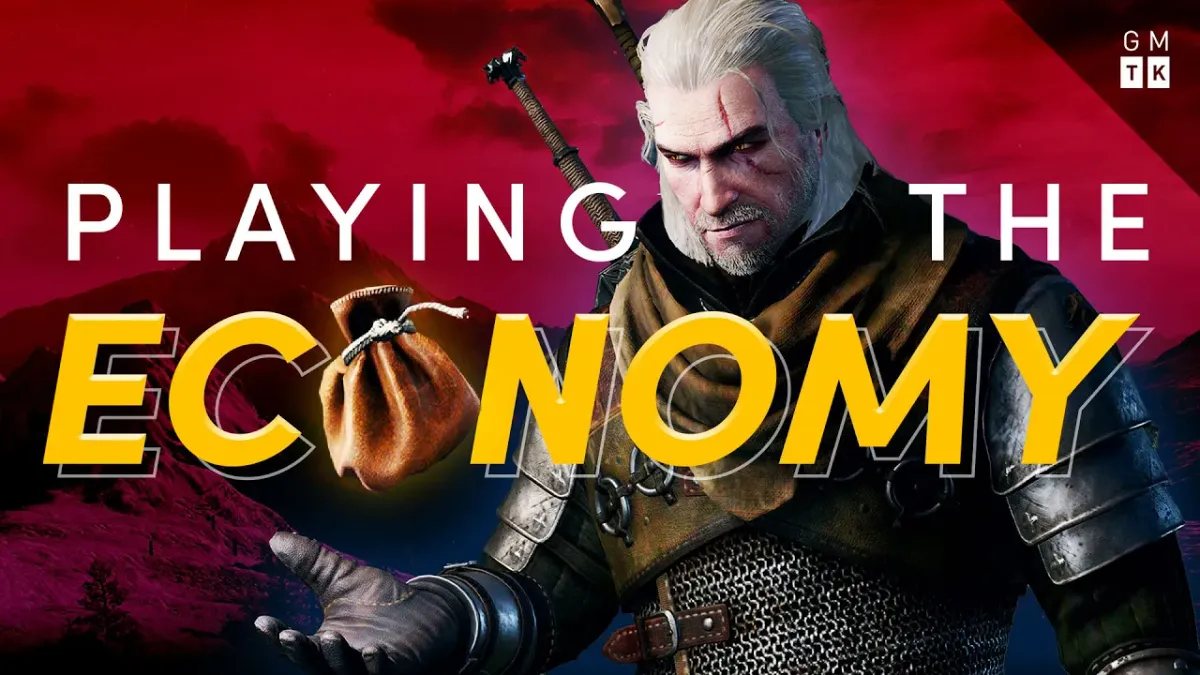
In this article, I’ll show you how a typical video game economy is designed - and how resources flow around the system. As we go, I’ll show you how these economic entities can be used to create interesting gameplay for the player.
If you watch GMTK, you might be inspired to turn your passion for game design into an actual career. In this video, I've gathered advice from dozens of designers from around the world to help you land a job in the games industry.
Many games come with the promise of letting the player live out some kind of awesome, aspirational fantasy. But the game's design will dictate who gets to live the fantasy, and who might get left behind.
It's easy to assume that amazing indie games like Gunpoint, Crypt of the Necrodancer, Ape Out, and Into the Breach were designed in a flash of inspiration. But that's not true - find out how these games came to be in this episode of Game Maker's Toolkit.
Playing Pyre over Christmas got me thinking about feedback loops: the reward structures in games that can reinforce or balance out winners and losers. In this episode I’ll explain what this all means, and talk about the design of Pyre’s positive and negative loops.
A designer’s job often involves making sure players are experiencing the game in the most fun or interesting way. In this video, I look at examples of games that have tried to achieve this - sometimes with success, and sometimes with controversy.

The Last Guardian depicts a bond between a boy and his beast. In this video, I look at the ways Fumito Ueda explores and draws this relationship through gameplay.